Posts

This Electronic Manufacturing Process is Helping Your Business
Image
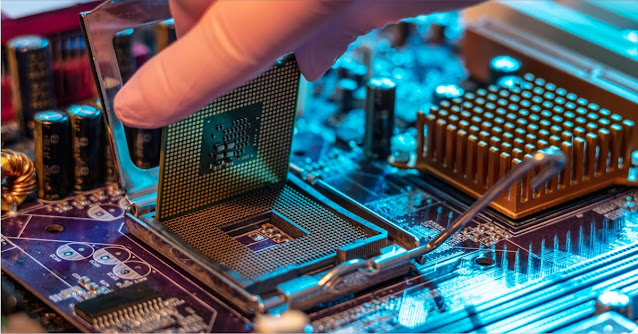
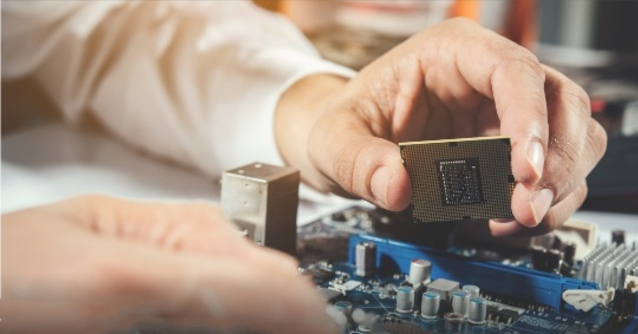
The electronic manufacturing process is essential knowledge for OEMs, PCB designers, and product designers. The step-by-step process influences the final product's reliability, longevity, and design. If you're developing a product and want to know where it fits into the manufacturing process, this article will tell you everything you need to know. An electronic manufacturing process is a way to produce electronics using computers. It has been around since the 1980s. Today, it is still widely used. What is the electronic manufacturing process? It is the process of creating a product that uses electronics. Electronics are used in almost all products, from cars and computers to cell phones and televisions. The manufacturing process differs for different product types, standard requirements, product grades, sizes, usage, and shape requirements.  When it comes to manufacturing electronic products, PCBs are the foundation of any design. They're used to connect all of your compon...

Things OEMs should know about Plastic Injection molding

Image
Plastic injection molding is a manufacturing process in which plastic materials are heated and injected into a mold to produce a wide variety of parts and products. This process is widely used in the production of a variety of plastic products, including medical devices, toys, and automotive parts. The method is considered to be perfect for the quick turn of single-mold plastic parts.   The plastic injection molding process The process of plastic injection molding begins by heating the plastic material, which is typically in the form of pellets or granules, to a high temperature. This melted plastic is then injected into a mold, which is a hollow metal or plastic cavity in the shape of the desired part or product. The mold is typically cooled with water, which helps the plastic to solidify and take on the shape of the mold. Once the plastic has solidified, the mold is opened and the finished part is removed. The part may then be trimmed, painted, or otherwise finished as need...

Do You Know The Difference Between EMS And OEM?

Image
OEMs and EMSs are the two prominent terms used by people involved in electronic manufacturing ( EMS ) and product designing. In fact, they are the different layers of product manufacturing but are often considered the same. Both layers work together to achieve the goal of introducing new electronic products to the market. Let's break the ice in this quest, they are not the same, and we will see how they are distinct in this blog.  What is an Ems? Ems is a contract manufacturer, which means that it outsources the manufacturing of products to other companies. For example, if you have an idea for a new product but don't have the funds or expertise to make it yourself, you could use an Ems as your partner in developing and manufacturing it. They can manufacture an entire product according to OEM's design or any particular part of the product. EMS also provides services including, PCB manufacturing, assembly, testing, metal fabrication, plastic molding, wire harness, and supply ...

Why thermal management is essential for PCB manufacturing?

Image
PCB is the backbone of every Electronic manufacturing company 's electronic product that defines the behavior and properties of a devices. This backbone is densely packed with components and traces that transport electrical signals (both digital and analogue), generating heat due to resistance. You may see this heat in every modern device, including your smartphones and laptops. You'll probably refer to it as the battery heating up. Actually, no! It's the PCBs' heating up which is why the issue is more crucial: the power electronic components like IGBT, BGA, MOSFET, and converters create hotspots on the PCB.  These heat generation sources adversely affect PCB performance and efficiency because they eventually damage the chemical or physical characteristics of components. The design part that deals with maintaining temperature are called thermal management. Design methods and additional hardware integration are examples of heat management techniques. But first, let me ex...